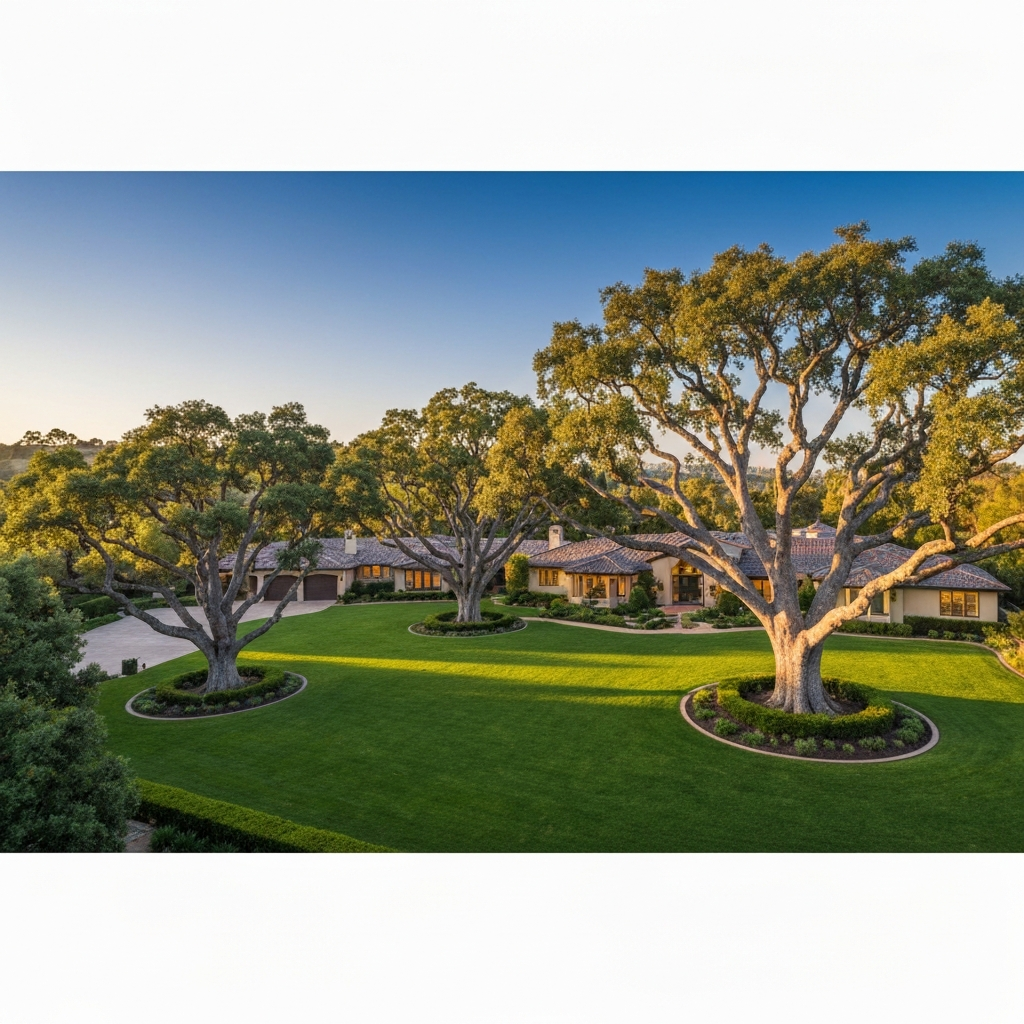
Fuel Reduction
Pruning
Techniques for removing ladder fuels and deadwood to protect your property while preserving the health of your trees.
The Goal of Fuel Reduction Pruning
In arboriculture, "fuel" refers to any combustible plant material. Fuel reduction pruning is the strategic removal of specific branches to reduce the volume and continuity of this fuel. The goal is to make it difficult for a ground fire to climb into the tree canopy, and to prevent a canopy fire from spreading from tree to tree or to your home.
This process must be handled delicately. Removing too much foliage stresses the tree, while removing too little leaves your property vulnerable. Our Certified Arborists balance strict fire department regulations with the biological needs of your mature trees.
Key Pruning Strategies
1. Removing Ladder Fuels (Crown Raising)
Ladder fuels are lower branches that allow a fire to climb from the ground or shrubs up into the main canopy of the tree.
- Prune lower branches to create vertical clearance (typically 6-10 feet from the ground, depending on tree height).
- Maintain a minimum clearance of 3 times the height of any understory shrubs.
- Never remove more than 25% of the tree's total foliage in a single year to prevent stress.
2. Crown Thinning
Selective removal of branches throughout the canopy to reduce overall density and remove deadwood.
- Remove all dead, dying, or diseased branches (which act as dry kindling).
- Increase airflow and light penetration, which helps reduce fungal diseases.
- Retain interior foliage to prevent sunburn on the main trunk and scaffold branches.
3. Structural Clearance
Creating horizontal spacing between trees and structures to prevent the direct transfer of flames.
- Maintain a strict 10-foot minimum clearance from roofs and chimneys.
- Create spacing between individual tree canopies (10 to 30 feet depending on the slope of the property).
The Danger of Improper Pruning
In a rush to comply with fire department notices, many homeowners hire uncertified workers who resort to "topping" or "lion's-tailing."
Lion's-tailing strips all the interior branches, leaving tufts of leaves only at the ends of branches. This destroys the tree's structural integrity, making limbs highly susceptible to snapping in high winds. It also exposes the bark to severe sunburn, which invites boring insects like the Shot Hole Borer.
Proper fuel reduction pruning, done to ANSI A300 standards by our Certified Arborists, achieves fire safety while preserving the tree's health, aesthetics, and structural strength.
Frequently Asked Questions
What is fuel reduction pruning?
Fuel reduction pruning is the targeted removal of specific tree branches and foliage to reduce the amount of combustible material (fuel) available to a wildfire. It focuses on removing deadwood, thinning dense canopies, and eliminating ladder fuels that allow fire to climb from the ground into the tree.
Is fuel reduction pruning bad for the tree?
When done by an ISA Certified Arborist according to ANSI A300 standards, it is highly beneficial. However, many untrained workers perform 'lion's-tailing' or over-pruning, which severely stresses the tree, invites pests, and can actually increase fire risk by causing rapid, weak regrowth.
How much clearance do I need from my roof?
Fire codes generally require a minimum of 10 feet of clearance between tree branches and any part of your roof or chimney. This prevents embers from lodging in the roof and stops fire from bridging directly to the structure.
What is 'lion's-tailing' and why is it bad?
Lion's-tailing is the improper practice of removing all interior branches, leaving foliage only at the ends of the limbs. It makes the tree highly susceptible to wind breakage, causes sunburn on the bark, and ruins the tree's natural structure. It is a common mistake made by uncertified workers trying to 'thin' a tree for fire safety.
How often should fuel reduction pruning be done?
For most mature trees in Southern California, a thorough inspection and pruning every 2 to 3 years is sufficient. However, fast-growing species or properties in extreme fire hazard zones may require annual maintenance.
Fire Safety Assessment
Have our Certified Arborists evaluate your property for fire risks, ladder fuels, and defensible space compliance.
Schedule AssessmentNeed Pruning for Fire Safety?
Schedule a consultation with our ISA Certified Arborists to ensure your trees are pruned to strict fire safety codes without compromising their health.
Request a Free Consultation