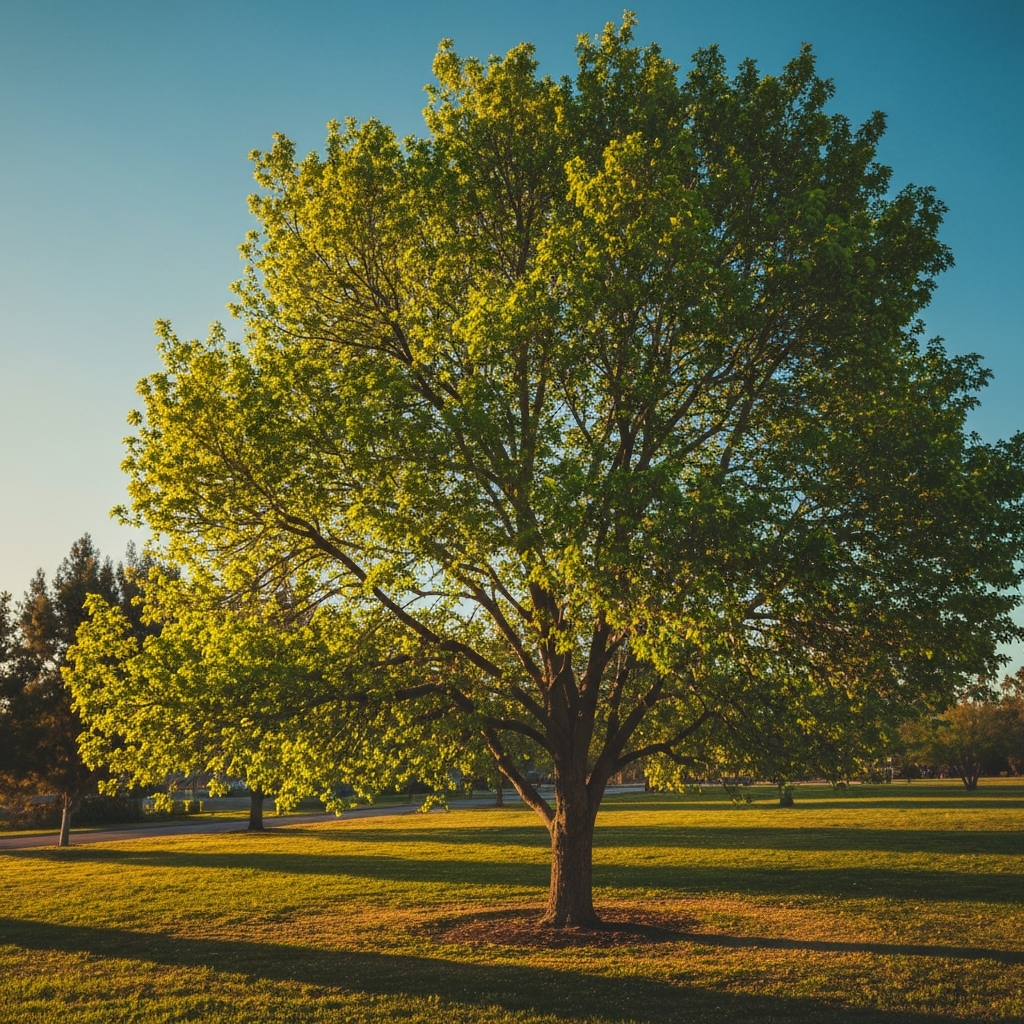
Spring Tree Care
The season of rapid growth, pest emergence, and critical disease prevention. Proper care in spring sets the foundation for tree health all year long.
The Season of Awakening
Spring in Southern California is a critical period for tree health. As temperatures warm and days lengthen, trees break dormancy and push out massive amounts of new growth. This rapid expansion demands significant energy and nutrients from the soil.
What causes the problem? The same conditions that stimulate tree growth—warmth and moisture—also trigger the emergence of destructive pests and fungal pathogens. Tender new leaves are highly susceptible to aphids, scale crawlers, and fungal spores.
Long-term consequences: Failing to address pest and disease pressure in the spring allows populations to explode, causing severe defoliation, stunted growth, and chronic stress that weakens the tree before the harsh summer heat arrives.
Spring Priorities
- Primary FocusPest & Disease Prevention
- Key ActionDeep Root Fertilization
- IrrigationTransition & Test Systems
- PruningDeadwood Removal Only
Spring Checklist
Insect Activity
Monitor for aphids, scale crawlers, and whiteflies on new growth. Early intervention with horticultural oils or systemic treatments prevents massive summer infestations.
Learn About Aphids →Disease Risks
Cool, wet spring weather triggers Anthracnose, Powdery Mildew, and Fire Blight. Preventative fungicide applications are critical as buds begin to break.
Learn About Anthracnose →Irrigation Adjustments
Test irrigation systems before the heat arrives. Ensure native oaks are transitioning off supplemental water to prevent Oak Root Fungus in the summer.
Root Zone Care →Recommended Services
Spring is the most effective time for proactive Plant Health Care to support new growth and suppress emerging pests.
- Deep Root FertilizationProviding essential nutrients directly to the root zone right when the tree needs energy for spring growth.
- Preventative SpraysTargeted treatments for Anthracnose and emerging insects before they cause severe damage.
- Tree Health AssessmentsA thorough inspection by a Certified Arborist to evaluate winter storm damage and plan the year's care.
Pruning Warning
Spring is generally not the time for heavy structural pruning. Removing live foliage during the spring flush deprives the tree of the energy it just expended to grow those leaves. Stick to removing dead, damaged, or hazardous branches until dormancy.
Schedule a Spring Inspection